Load Cell Learning Centre
- What Is A Load Cell
- How Load Cells Work
- Load Cell Types
- Material Selection
Learn how load cells work, compare technologies, calculate capacities and select the correct load cell for your application.






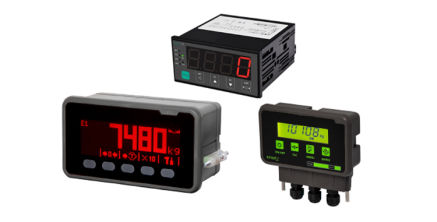
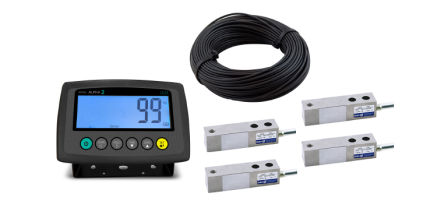
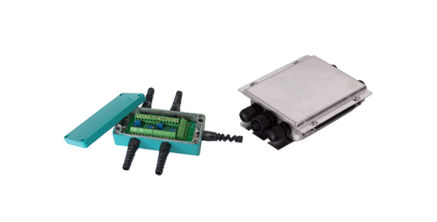
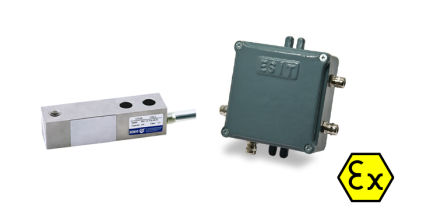
• Global manufacturer
• OIML certified
• ATEX options
• High accuracy
• Proven reliability
We understand that Load Cells can come with many questions.

Don Pye
Load Cell Expert
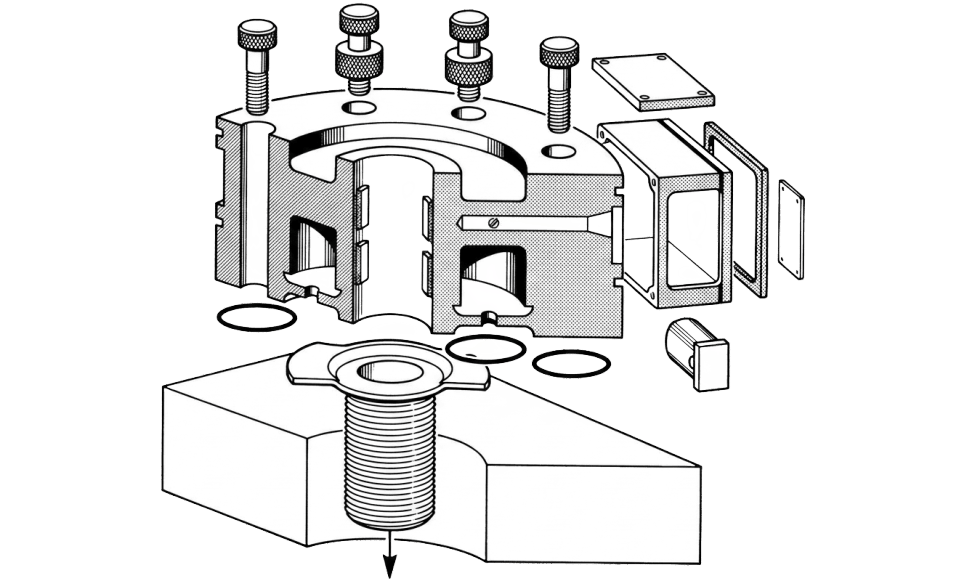
A load cell is a precision sensor that converts a force or weight into an electrical signal that can be measured and displayed by a weighing indicator, controller, or data acquisition system. Load cells are used in applications ranging from small retail scales and packaging equipment to large weighbridges, tanks, silos, and industrial process weighing systems.
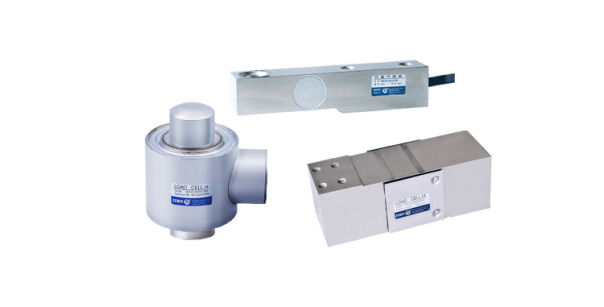
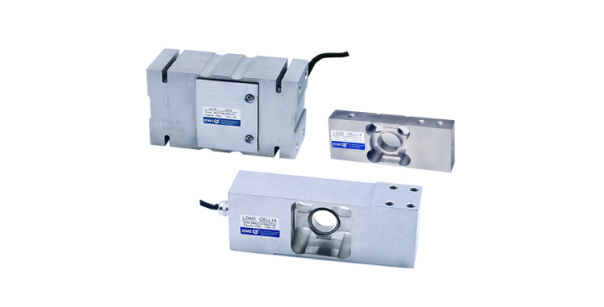
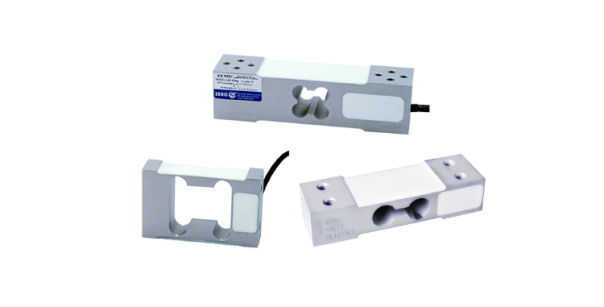
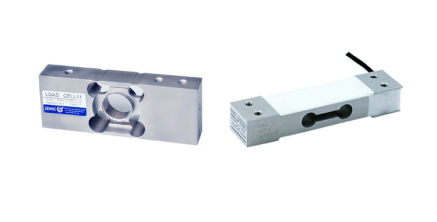
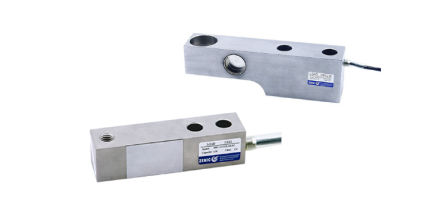
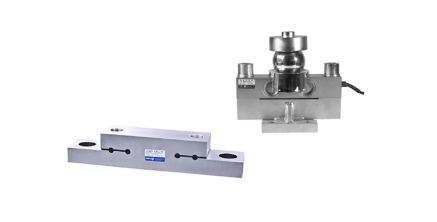
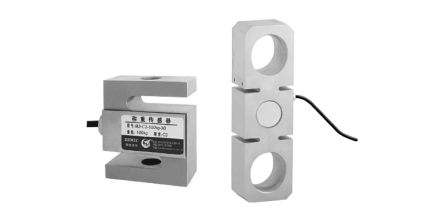
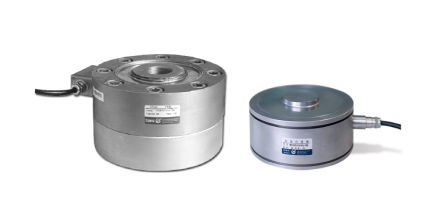
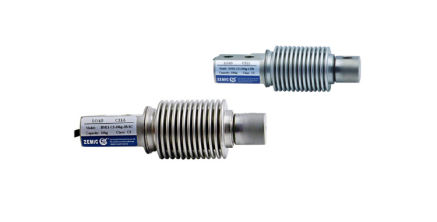
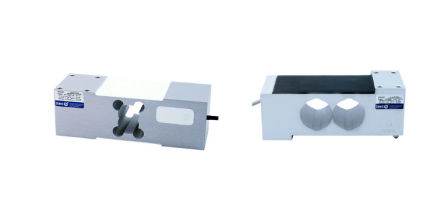
Selecting the correct load cell depends on several factors, including the total weight to be measured, the number of support points, environmental conditions, accuracy requirements, and whether trade approval is required. Compression, tension, shear beam, double shear beam, and single point load cells are each designed for specific applications. Our Load Cell Selection Wizard can help identify the most suitable solution for your project.
Alloy steel load cells are commonly used in heavy industrial applications and offer excellent strength and durability. Stainless steel load cells provide superior corrosion resistance and are ideal for food, pharmaceutical, chemical, and washdown environments. Aluminium load cells are lightweight and are typically used in bench scales, retail scales, medical devices, and OEM equipment where high accuracy and cost-effectiveness are important.
Load cells are used across a wide range of industries, including mining, agriculture, food processing, pharmaceuticals, logistics, manufacturing, packaging, chemical processing, waste management, and transportation. Common applications include tank weighing, silo weighing, batching systems, conveyor weighing, platform scales, checkweighers, force measurement systems, and weighbridges.
Calibration ensures that a load cell continues to provide accurate and reliable measurements over time. Regular calibration helps identify drift, wear, overload damage, or environmental influences that may affect performance. Proper calibration is especially important in trade-approved systems, quality control processes, batching applications, and industries where measurement accuracy directly impacts product quality and operational efficiency.